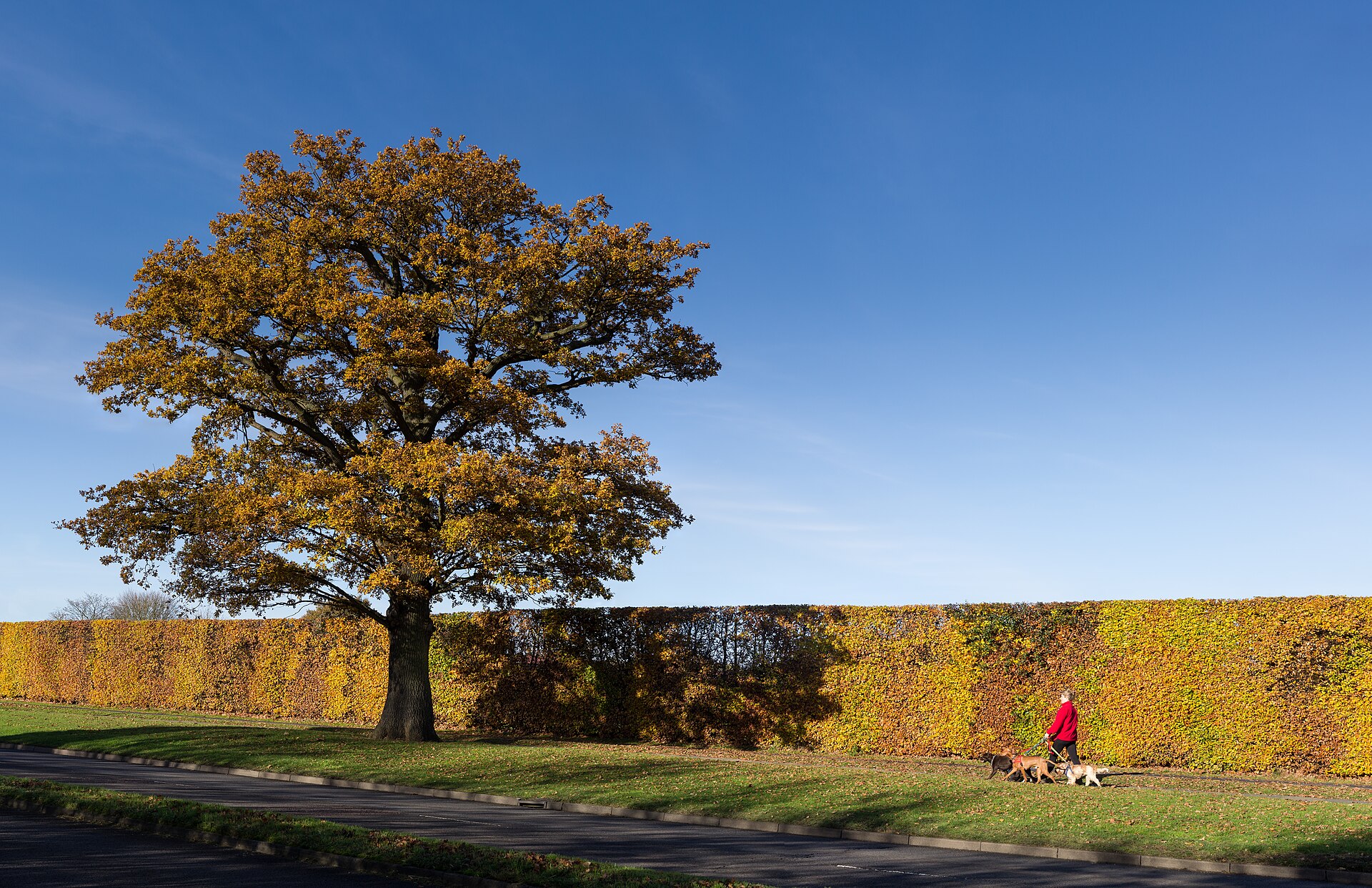

How much is my tree worth?
A tree is worth what a qualified appraiser can defend using a recognized valuation method, and for a healthy mature tree that figure is often far higher than people expect, sometimes tens of thousands of dollars. There is no single sticker price, because a tree’s value depends on its species, size, condition, location, and the purpose of the appraisal. The honest answer to “how much is my tree worth” is that it depends, and the job of an appraisal is to turn “it depends” into a specific, documented number that holds up.
If you need that number for an insurance claim, a lawsuit, or a settlement, an informal guess will not do. You need a methodology with a name behind it.
Why would you need a tree appraised?
You need an appraisal whenever a tree becomes a financial or legal question rather than a horticultural one. The most common triggers are losses and disputes.
Storm damage and casualty losses are a frequent reason. When a healthy tree is destroyed by a storm or an accident, its value may be deductible or claimable, and the insurer or the IRS will want that value substantiated. Property damage and disputes are another: a contractor severs the roots of your trees, a neighbor removes a tree on or near the property line, or someone damages a tree during work on an adjacent lot. In each case, the question quickly becomes “what was that tree worth,” and the answer needs to survive challenge. Appraisals also support real estate matters, estate and tax situations, and any litigation where a tree’s value is contested.
The common thread is that someone, an insurer, an opposing party, a court, is going to scrutinize the number. That is what separates an appraisal from a casual estimate.
How is a tree’s value actually determined?
A tree’s value is determined using the methods set out in the Guide for Plant Appraisal, published by the Council of Tree and Landscape Appraisers, commonly referred to as the CTLA methodology. This is the recognized professional standard, and it gives appraisers a consistent framework rather than a personal opinion of worth.
In broad terms, there are a few recognized approaches, and the appraiser selects the one that fits the tree and the situation. A cost-based approach asks what it would cost to replace the tree, or to replace as much of it as can practically be replaced, and then adjusts that figure for the specific tree’s species, condition, and location. For very large trees that cannot simply be bought and replanted, the appraiser starts from the largest commonly available replacement and accounts for the additional size through a defined process. Other approaches consider the tree’s contribution to overall property value or, in specific contexts, income. The choice of approach is itself part of the professional judgment, and a credible appraisal explains why a particular method was used.
The factors that move the number are intuitive once you see them. Larger trees are generally worth more than small ones. A healthy, well-structured tree is worth more than a declining or defective one. A desirable, well-adapted species is worth more than a weak or short-lived one. And placement matters: a tree that anchors a front yard or shades a home contributes differently than one tucked into a back corner. The appraiser weighs all of these within the chosen method.
What makes an appraisal defensible?
An appraisal is defensible when it follows a recognized method, documents its reasoning, and can be explained and defended by the person who signed it. A number on its own is worthless in a dispute. A number with a transparent method, clear assumptions, and supporting evidence behind it is something an insurer will take seriously and a court will admit.
This is also where independence earns its keep. An appraisal carries more weight when it comes from someone with no stake in the outcome, no work to sell, and a professional reputation tied to getting it right. If a matter proceeds to litigation, the same qualified arborist who prepared the appraisal may need to explain and defend it as an expert. The discipline that makes an appraisal sound, a named methodology, documented reasoning, and a willingness to stand behind the conclusion, is exactly the discipline that makes it hold up under cross-examination.
Why the number is often higher than people expect
People consistently underestimate what a mature tree is worth, because they price it against the cost of a young tree at a nursery. But a large, established shade tree cannot be replaced by planting a sapling. It represents decades of growth that no amount of money can purchase off the shelf, and the appraised value reflects that reality.
In a region like Kansas City, where mature oaks, maples, and other large shade trees are a defining feature of established neighborhoods and a real contributor to property value, the gap between perceived and appraised value can be substantial. That gap is often the entire reason an appraisal matters: it captures value that would otherwise be quietly written off.
What to expect from the process
A tree appraisal involves an inspection, an analysis, and a written report. The appraiser examines the tree or, in a loss, the evidence and records of the tree that existed, identifies the species and measures the size, evaluates condition and location, selects and applies the appropriate method, and documents the conclusion in a report you can use. For losses where the tree is already gone, photographs, prior records, stump measurements, and comparable evidence are used to reconstruct what was there.
The deliverable is a report built to be relied upon, by you, your insurer, your attorney, or a court, not a verbal figure that evaporates the moment someone disputes it.
The bottom line
Your tree is worth what a qualified appraiser can defend using the recognized CTLA methodology, and for established trees that figure is frequently much higher than a nursery price would suggest. The value of a professional appraisal is not just the number itself, but the documented, defensible reasoning that lets the number survive scrutiny from an insurer or a court.
If a storm, a dispute, or construction has put a dollar value on one of your trees in question, the appraisal service is built for exactly this. It often pairs with a diagnostic or risk assessment when condition is part of the question, and if you are still deciding whether you need a formal appraisal at all, reach out and describe the situation.
Have a tree question of your own?
If something in your yard, your case, or your project needs a clear, independent answer, let’s talk it through. No pressure, no commitment.